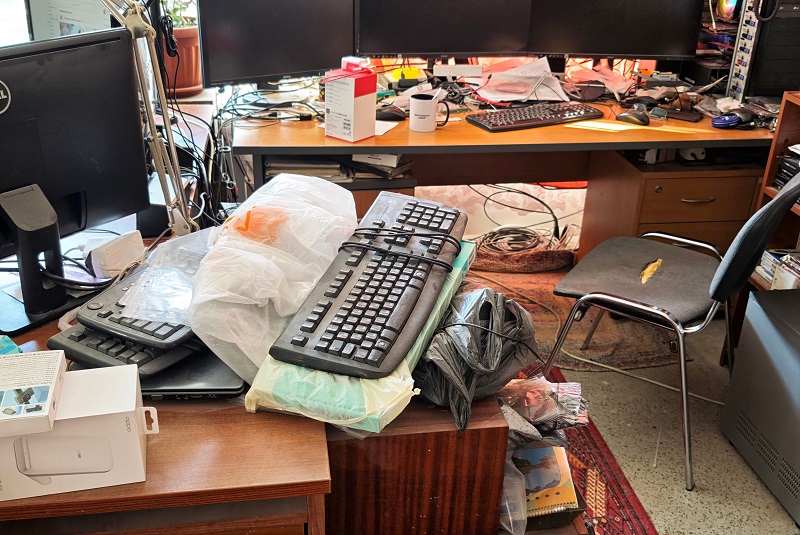
Clutter takes up more than shelves, closets and desk space. It also demands attention, slows everyday routines and can quietly drain your budget. A crowded room may seem like a minor annoyance until you’re buying duplicate supplies, missing a payment under a pile of mail or spending half an hour searching for one document.
The good news is that you don’t need a picture-perfect home or office. A functional space, where useful items have clear places and unwanted items leave promptly, can remove much of clutter’s hidden cost.
More Than Just Lost Space
Clutter reduces how easily you can use the space you already pay for. A spare room filled with old furniture can’t serve as a guest room or home office. In a workplace, crowded storage areas may force employees to keep supplies in inconvenient locations.
The less visible effects matter too. A helpful overview of the hidden costs of clutter includes wasted time, strained relationships and delayed decisions. Each object also creates a small demand: keep it, move it, repair it or discard it. When hundreds of those decisions remain unresolved, the room can feel tiring before you’ve done any actual work.
Impact on Productivity and Focus
Visual distractions compete for your attention. On a desk, unopened mail, outdated notes and unused equipment can pull your eyes away from the task at hand. Even when you try to ignore them, they serve as reminders of unfinished work.
Start with the places that affect your day most. Clear the kitchen counter where meals are prepared or the section of your desk needed for your computer and notebook. If bulky items, broken appliances or large volumes of unwanted material make the project difficult to manage, professional junk removal can help Greater Seattle homeowners and businesses complete a larger cleanout efficiently. Once the excess is gone, simple storage systems become much easier to maintain.
The Financial Burden of Disorganization
Disorganization often leads to small expenses that accumulate quietly. You might replace a charging cable you already own, pay a late fee because a bill disappeared or continue renting storage for belongings you haven’t used in years. The same principle applies when moving, since purging items you no longer need can save space, time and money. Offices can experience the same pattern with duplicate orders, misplaced inventory and wasted staff time.
The financial and mental impacts often reinforce each other. Stress can make decisions harder, which allows more items to collect. Break that cycle by creating one location for bills, receipts and frequently used supplies. Before buying something new, check that location and search existing storage. A two-minute check can prevent another unnecessary purchase.
Reclaiming Your Environment
Work in small, clearly defined areas so the project has a visible finish line. One drawer, one shelf or one square yard of floor is enough for a session. Set out containers for items to keep, donate, recycle and discard, then handle each object once.
Give priority to items that block normal activity. Clear walkways, chairs, work surfaces and doors before organizing keepsakes or paperwork. For documents, keep active papers close at hand and archive only records you genuinely need. Label containers according to their contents, such as “printer supplies” or “winter accessories,” instead of broad terms like “miscellaneous.” Specific labels make it easier to return things to the right place.
Long-Term Benefits of a Clear Space
A clear environment saves effort every day. Morning routines move faster when clothing is visible, office work begins sooner when the desk is ready and cleaning takes less time when floors and counters are accessible. You may also feel more comfortable inviting guests or clients into the space.
Maintenance works best when it fits an existing routine. Sort mail as soon as you bring it inside, reset your desk before finishing work and keep a donation box near a closet. When the box fills, schedule its departure instead of starting another pile.
Leave some shelves and drawers partly empty. That open space gives future belongings somewhere to go and provides a practical sign that your home or office is serving you again.