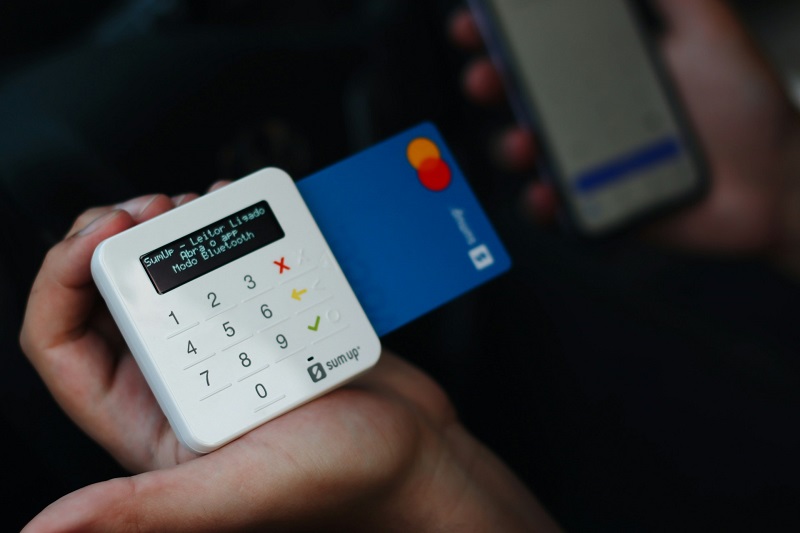
If you’ve ever abandoned an online shopping cart because the checkout was too clunky or your preferred payment method wasn’t there, you know how important a smooth transaction is. For a business owner, these small snags can quickly add up to a lot of lost money. Your payment processing system is the final handshake with your customer. If it’s slow, unreliable, or just plain old, you’re not just losing a sale; you’re hurting your brand’s reputation.
Signs of Outdated Systems
How can you tell if your payment system is holding you back? The signs are often right in front of you. Frequent downtime or slow transaction speeds are huge red flags. In today’s world of one-click checkouts, customers won’t wait long for a payment gateway that just spins and spins. Another sign is when too many legitimate customer transactions get declined. This can happen if your fraud filters are too aggressive or not set up right.
You should also think about the payment options you offer. If you can’t accept popular digital wallets, mobile payments, or “buy now, pay later” services, you’re behind the curve. A modern system should be flexible, letting customers pay how they want, instead of forcing them into one old-fashioned method. Finally, if you can’t easily get detailed reports, that’s a clear sign your system needs an upgrade. You should be able to track sales, refunds, and fees without digging through complicated spreadsheets.
The Cost of Inefficient Payments
An outdated payment processor doesn’t just annoy customers; it directly hits your bottom line. The most obvious cost is lost sales from people abandoning their carts. When checkout is hard, potential buyers simply go somewhere else. On top of that, you might be paying really high transaction fees. Older systems often have rigid fee structures that don’t change as your business grows, eating into your profits with every single sale.
There are also hidden administrative costs. Your team might spend hours manually matching payments, dealing with chargebacks, or fixing technical glitches. This is time that could be much better spent growing the business. Inefficiency slowly drains resources. While it might not always show up clearly on a balance sheet, it can stop growth and cause constant operational headaches.
Modern Solutions for Global Reach
Upgrading your payment processing opens up a world of opportunity, literally. Modern gateways are built for a global market, letting you securely accept payments from customers anywhere. This means offering various international payment methods that are popular in different regions. Handling currency is a key part of this. When selling to an international audience, you need to understand the difference between dynamic vs. traditional currency conversion to give your customers a clear and easy experience.
This flexibility goes beyond just currencies. A modern system can connect smoothly with your accounting software, e-commerce platform, and marketing tools. This creates a connected system that automates tasks, cuts down on manual data entry, and gives you a complete picture of how your business is doing. The goal is to make payments a seamless, integrated part of your operations, not something that slows you down.
Protecting Against Payment Fraud
As businesses grow online, the risk of fraudulent transactions also increases. Older payment systems often lack the advanced security needed to fight today’s fraud tactics. Upgrading gives you access to sophisticated tools designed to protect both your business and your customers. This includes multiple layers of security, real-time fraud monitoring, and tokenization, which replaces sensitive card data with a unique, non-sensitive code.
These features not only reduce your financial risk from chargebacks but also help you stay compliant with PCI DSS (Payment Card Industry Data Security Standard). Modern processors take a lot of the compliance burden off your shoulders. They provide tools and support to ensure your business meets these crucial security standards, protecting your customers’ data and building trust in your brand. Investing in a secure system is an investment in your business’s long-term credibility and stability.
Ultimately, your payment system is more than just a way to collect money. It’s a vital part of your customer experience, how efficiently you operate, and your security. Thinking about an upgrade isn’t just about keeping up with technology; it’s about setting your business up for future growth.