That moment your wobbly baby turns into a determined, sprinting toddler is a milestone filled with pride and a little bit of panic. Suddenly, your home, which you thought was perfectly safe, looks like an obstacle course of potential dangers and messes. Getting your home ready for a growing toddler isn’t just about safety; it’s about making a space that helps them grow, become independent, and explore everything with their endless curiosity. It’s a shift from just keeping a baby safe to helping a little person thrive.
Childproofing Beyond the Basics
When you had a baby, you probably covered the outlets and locked the lower cabinets. But a toddler is a whole new challenge. They’re faster, stronger, and way more creative when it comes to finding trouble. It’s time to look at your home from their eye level and think about climbing, pulling, and exploring.
Anchoring heavy furniture is important. Dressers, bookshelves, and TV stands can easily tip over if a toddler tries to climb them like a ladder. Make sure to secure them to the wall with anti-tip kits. You should also watch out for window blind cords, which can be a strangulation risk. Go for cordless blinds or use cord cleats to wrap up any loose ends way out of reach. A good baby proofing checklist can help you spot dangers you might have missed.
Go through your home room by room. In the kitchen, use stove knob covers and make sure cleaning supplies are in a high, locked cabinet. In the bathroom, add a toilet lid lock and keep medications stored securely. Experts often share a helpful checklist for parents to make sure you cover everything. While it might seem like a lot, major safety organizations also offer their own baby safety checklist to help prevent common household accidents. Following these tips for keeping toddlers safe can make your home a much safer place for your little explorer.
Evolving Sleep Needs and Comfort Items
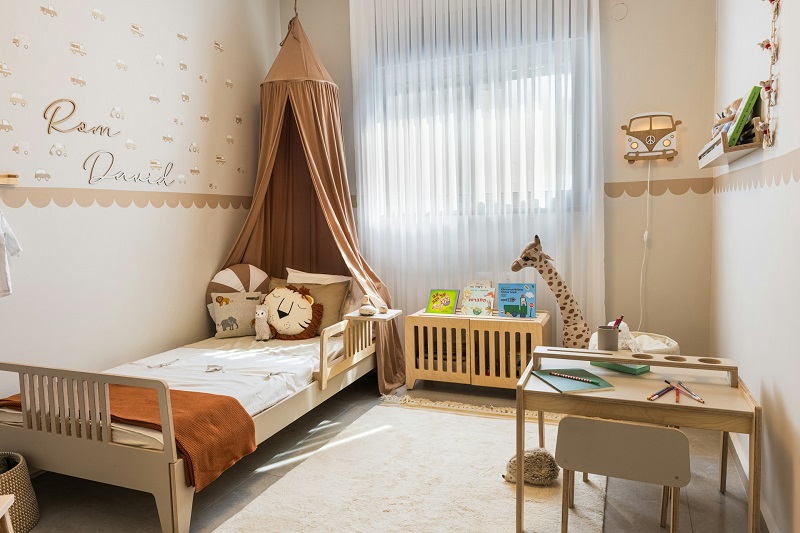
Just as your toddler’s ability to move around is changing, so are their sleep needs. Many toddlers are ready to move from a crib to a toddler bed between two and three years old, especially if they start trying to climb out. This move is a big step towards them becoming more independent. You can make it fun by letting them help pick out their new bedding.
With this new freedom, you’ll need to make sure their room is completely toddler-proof, since they can now get out of bed on their own. As they sleep more soundly, you might also think about introducing new comfort items. You might wonder when it’s okay to give them a pillow. There are a few key signs your toddler is ready for a pillow, like if they use a stuffed animal or blanket to prop up their head, or if they complain about being uncomfortable. When the time comes, pick a small, firm pillow made just for toddlers.
Besides a pillow, other comfort items can help soothe your child at night. A favorite stuffed animal or a special blanket can make them feel secure during the night, especially when they’re moving to a big-kid bed. Keeping a consistent and calming bedtime routine is just as important. A predictable series of events, like a bath, putting on pajamas, brushing teeth, and reading a story, tells your toddler’s body and mind that it’s time to wind down and go to sleep.
Designing a Functional Play Space
Having a dedicated play space can be a lifesaver for parents and a great place for toddlers to grow. The idea is to create a “yes space” where your child can freely touch, explore, and play without you constantly saying “no.” This doesn’t mean you need a whole extra room; a corner of the living room or their bedroom can work perfectly.
Start with soft but tough flooring, like a big area rug or interlocking foam mats. This gives them a comfy surface to play on and cushions those inevitable tumbles. Use low, open shelves for toys. This lets your toddler see their options and choose what they want to play with, helping them become more independent. It also makes cleanup easier because they know exactly where everything goes.
Think about making different zones within the play area. A small table and chairs are perfect for crafts, puzzles, and snacks. A cozy corner with a beanbag chair or soft pillows and a basket of books can become a favorite reading spot. By designing a space that fits their size and abilities, you encourage them to play independently for longer and give them a sense of ownership over their environment.
Organizing Toys and Books Effectively
The pile of toys can quickly become overwhelming for both you and your toddler. A good organization system not only cuts down on clutter but also helps your child learn responsibility and how to make choices. The trick is to keep it simple and easy to reach.
Toy rotation is a fantastic idea. Keep some toys in storage and swap them out every few weeks. This keeps playtime fresh and exciting, making old toys feel new again. It also makes daily cleanup much easier because there are fewer items out at once. For the toys that are out, use clear bins or open baskets so your toddler can easily see what’s inside. You can even add picture labels to the front of the bins to help them figure out where each type of toy goes.
For books, front-facing bookshelves are a great choice. They let toddlers see the covers, making them more likely to pick one out for story time. Store books at their level so they can get them independently. Make cleanup a regular part of the day. Turn it into a game by singing a cleanup song or setting a timer to see how fast you can put everything away together.
Creating Independent Spaces
Helping them become independent is one of the most important parts of the toddler years. As they grow, toddlers really want to do things “by myself.” You can support this natural drive by making small changes around your home.
In the kitchen, set aside a low drawer or cabinet for their own plates, cups, and utensils. This lets them help set the table or grab their own snack bowl. A toddler tower can safely bring them up to counter height, so they can “help” you make meals.
In the bathroom, a sturdy step stool is a must-have. It gives them access to the sink for washing hands and brushing teeth. In the entryway, put up a low hook where they can hang their own jacket and backpack. This small act gives them a sense of responsibility and belonging. By creating these little stations of independence, you’re not just making your life easier; you’re building your child’s confidence and skills.
Managing Mess with a Toddler
Let’s be honest: toddlers are messy. They spill, they smear, and they leave a trail of crumbs wherever they go. While you can’t get rid of the mess completely, you can set up ways to handle it. The first step is to just accept it and focus on making your home more comfortable by creating routines that make everyday messes easier to manage. A little bit of chaos is a normal and healthy part of having a young child at home.
Designate specific areas for messy activities. Set up an art easel in a corner with a washable mat underneath, or keep sensory play with sand or water to the kitchen floor or an outdoor space. Use washable materials whenever you can, from washable markers and paint to slipcovers on furniture.
Get your toddler involved in cleaning up from an early age. Keep a small dustpan and brush handy for them to sweep up their own crumbs. Have a basket of cleaning cloths in a low drawer so they can help wipe up spills. When you treat cleaning as a normal part of an activity instead of a punishment, they’re more likely to help out willingly. It teaches them that taking care of their space is part of the fun.
Embracing this stage means finding a balance between a tidy home and a home where a child can freely learn and grow. A little preparation goes a long way in making the toddler years more joyful for everyone.